Why Replace OEM Gears?
Material Science
Powdered Metal Cracks. Billet Steel Doesn’t.
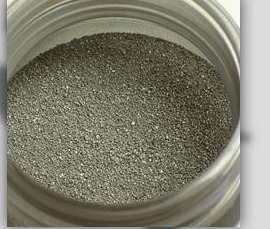
OEM oil-pump gears are mass-produced by sintering — pressing powdered steel into shape because it’s cheap and holds tight tolerances. But sintered powder is porous and brittle, weaker even than a casting. Boundary starts with solid billet steel and machines every tooth in-house.
Yield Strength Isn’t Even Close
OEM Powder vs. Boundary Billet
OEM Powdered Metal
- Sintered from powdered steel — porous and brittle
- Roughly 6,000 PSI yield strength
- Weaker than a casting; cracks under boost and detonation
- Chosen for cost, not strength — no material traceability
Boundary Billet Steel
- Cut from solid billet steel — every tooth machined in-house
- Roughly 110,000 PSI yield strength (~18× stronger)
- MartenWear dual heat-treat for hardened, debris-resistant teeth
- Full material traceability back to the spec sheet
Billet vs. Powdered — See the Difference
From raw material to grain structure — solid billet on one side, pressed and sintered powder on the other.



Engineered, Documented, Traceable
Metallurgist-Developed
We worked alongside metallurgists to dial in the best combination of steel grade and heat treat for an oil-pump gear.
Full Traceability
Every gear’s HT number traces back to its original material specification sheet — the exact steel and heat treat, documented.
Proven Heat Treat
MartenWear dual heat treatment hardens the wear surfaces so the teeth survive the detonation events that grenade stock pumps.
Stop Replacing OEM Gears. Run Billet.
Find the billet-steel pump and gearset engineered for your specific engine.